This FiveM Pegassi Tempesta review breaks down the TTS widebody build: GT3-inspired aero, calibrated AWD physics and clean LOD streaming budgets.
A technical deep dive into TTModz's signature custom supercar—combining aggressive GT3-inspired bolt-on widebody aero, carbon composite body panels, high-G track handling, and zero-compromise LOD streaming budgets.
Reading Time: 8 min read Published: September 2026 Author: TTModz Team Category: Vehicle Showcase & Technical Analysis1. Re-Engineering an Exotic Icon for Competitive FiveM Roleplay
The factory Pegassi Tempesta has long stood as one of the most recognizable mid-engine V10 platforms across Los Santos. However, in high-stakes roleplay environments—where competitive illegal street racing, elite syndicate imports, and track days dominate—standard production profiles quickly blend into the background.
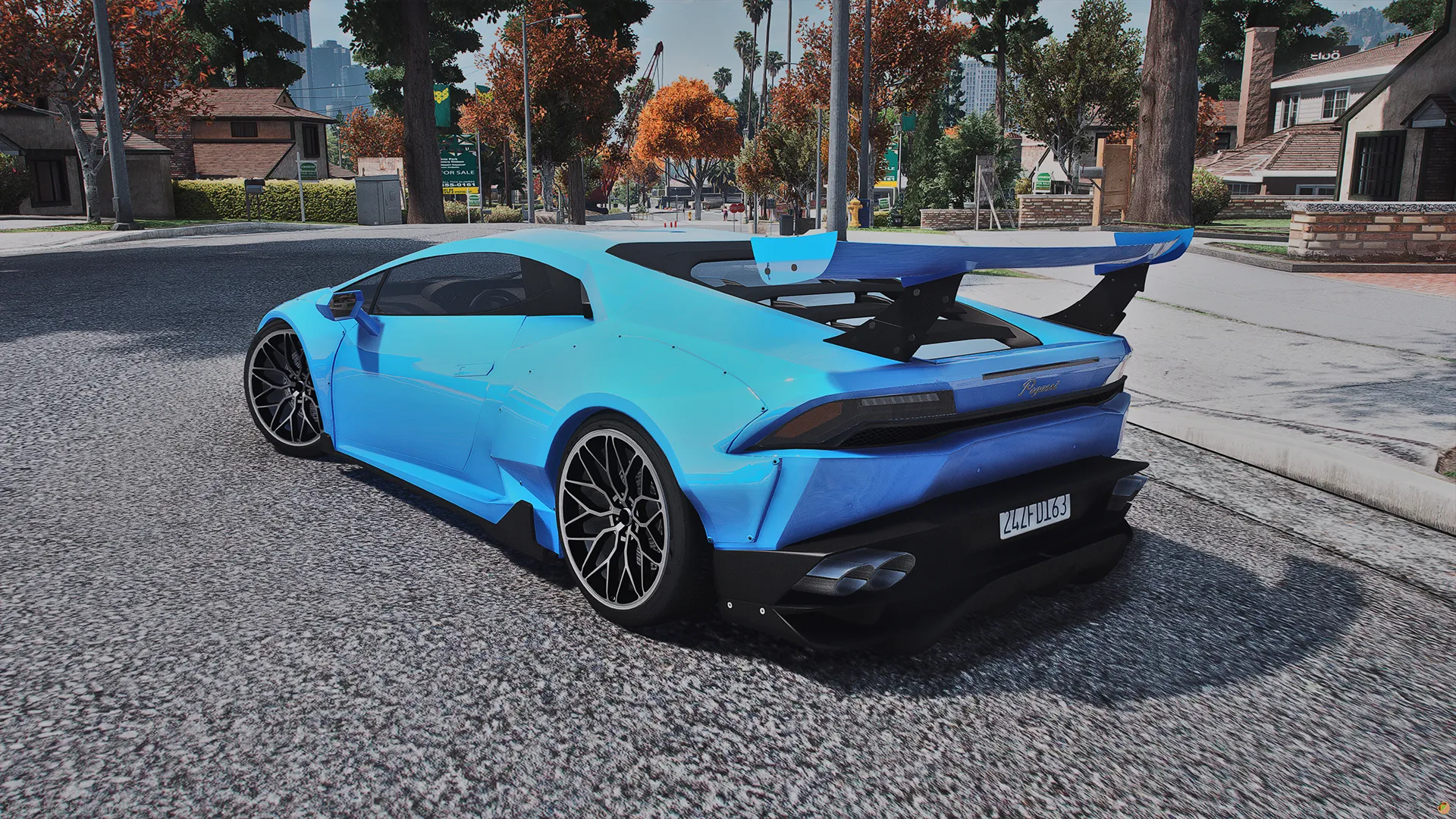
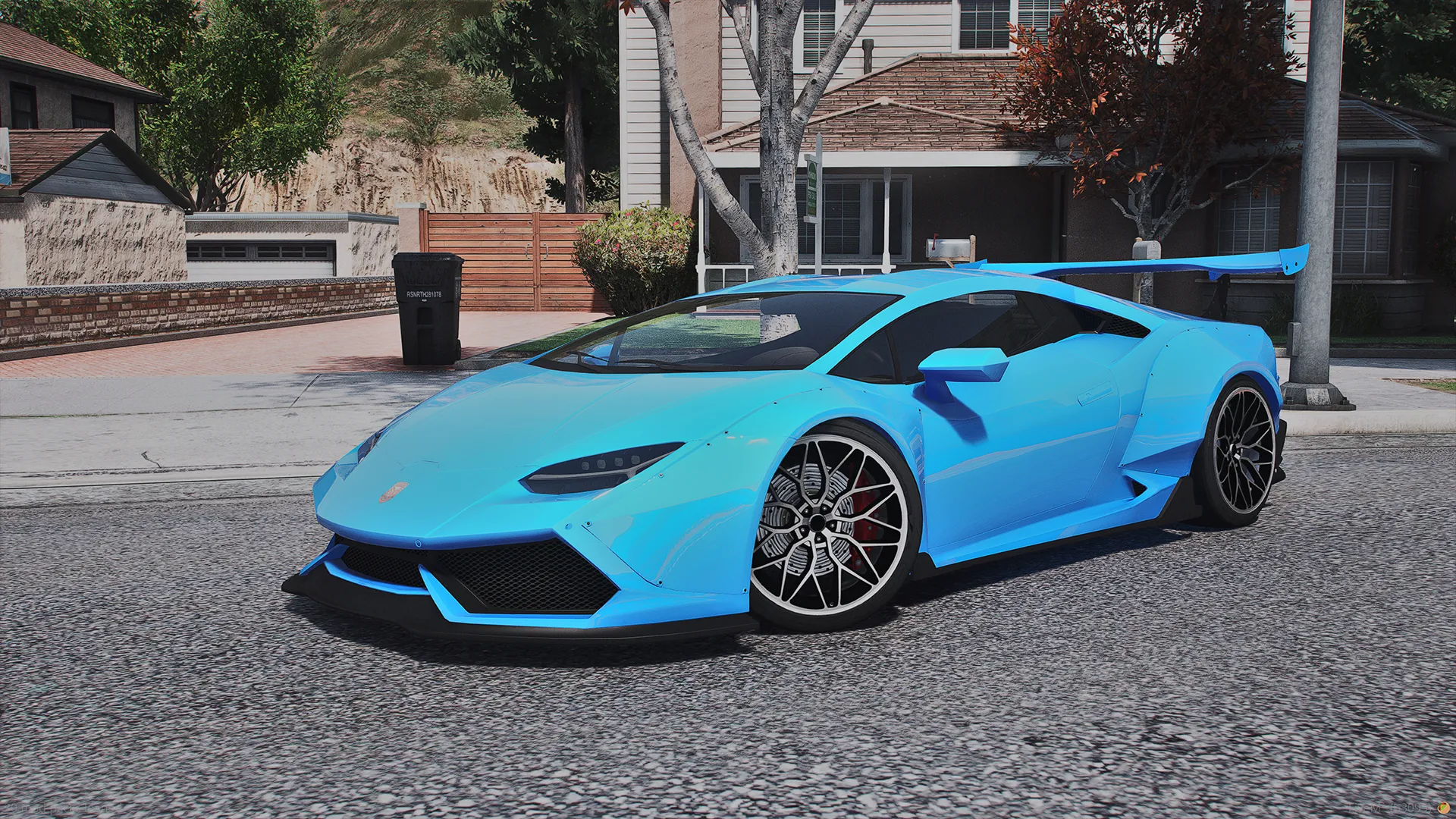
The Pegassi Tempesta TTS (Track Touring Spec) by TTModz elevates this exotic silhouette into an aggressive, GT3-inspired widebody track monster. Rather than relying on generic aesthetic additions, the Tempesta TTS was rebuilt with custom-sculpted aerodynamic fender extensions, carbon fiber aero discs, track-calibrated downforce values, and optimized mesh geometry tailored specifically for demanding multiplayer servers.
2. Key Specifications & Architectural Highlights
The Tempesta TTS balances extreme track visuals with rigorous server-side engineering standards:
| Feature Dimension | Technical Specification | Engineering & In-Game Impact |
|---|---|---|
| Chassis Archetype | Mid-Engine All-Wheel Drive (AWD) Supercar | Balanced weight distribution with low center of mass (vecCentreOfMassOffset). |
| Aerodynamic Profile | Bolt-on Widebody Flares + GT3 Chassis Wing | High-speed downforce curve preventing snap oversteer during high-speed transitions. |
| Wheel Geometry | Front Aero Turbofans / Deep-Dish Rear Track Rims | Calibrated wheelScale and track offsets eliminating clipping with wide fenders. |
| Top Speed Ceiling | Regulated 260 – 270 km/h (161 – 168 mph) | Complies with balanced competitive server handling standards. |
| Interior & Lighting | Functional digital dashboard & custom projector DRLs | Clean first-person cockpit driving with synchronized RPM/speedometer dials. |
| Stream Optimization | Full LOD0–LOD4 Hierarchy + Compressed Textures | Zero texture artifacting, minimal draw call load, and no VRAM memory leaks. |
| Asset Delivery | CFX.re Keymaster Escrow (.ymt protected, .meta open) | Instant automated delivery; developers retain full access to tune handling and colors. |
3. Aerodynamic Design & 3D Bodywork Analysis
The TTS conversion redefines the vehicle's road presence through purposeful motorsport styling:
- Exposed-Rivet Widebody Fenders: Widens the track width significantly over the stock chassis, allowing for wider tire contact patches and eliminating fender-to-tire clipping.
- Chassis-Mounted Rear Track Wing: Stanchion-mounted aerofoil positioned at clean roofline airflow height, delivering measurable rear axle downforce in
handling.meta. - Front Aero Splitter & Canards: Integrated bumper splitters channels front air intake into the radiator and front brake ducts while smoothing underbody airflow.
- Turbofan Aero Discs: Distinctive front motorsport turbofan wheels paired with staggered wide-lip rear wheels give the vehicle an unmistakable silhouette on city streets or track grids.
4. Handling Dynamics: The Track Touring Calibration
Many custom supercars suffer from exaggerated top speeds or ice-skating grip characteristics that destabilize server physics. The Tempesta TTS utilizes a meticulously tuned handling profile:
A. Drivetrain & Torque Distribution (fDriveBiasFront)
Configured with a 30% Front / 70% Rear torque split. This setup preserves the playful, responsive turn-in rotation of a rear-wheel-drive platform while utilizing the front axle to pull the car cleanly out of tight apexes without sudden snap spins.
B. High-G Cornering & Traction Multipliers
Traction curves (fTractionCurveMax and fTractionCurveMin) are calibrated to reward precise braking points. Drivers who brake in a straight line and clip the apex can apply early throttle smoothly, while aggressive mid-corner jerking will initiate controlled, recoverable yaw rather than uncontrollable physics desync.
C. Braking & Kinetic Energy Transfer
High-output brake force parameters (fBrakeForce) combined with an optimized brake bias provide short, predictable stopping distances essential for dodging traffic during intense high-speed pursuits.
5. Streaming Performance & VRAM Optimization
Custom high-poly supercars are infamous for causing "city sinkholes" and texture pop-in on populated servers. The Tempesta TTS was engineered with strict stream budgeting:
- Comprehensive LOD Chaining: From high-detail interior stitching at
LOD0down to ultra-low polygon bounding proxies atLOD4, the vehicle preserves client FPS even when multiple units gather in dense garage meets. - Optimized Texture Dictionaries: Baked ambient occlusion and clean DXT compression ensure
.ytdfootprints remain small, preventing GPU VRAM exhaustion. - Clean Hierarchy: Fully functional collision meshes (
.yftbounds) guarantee that bullet impacts, vehicle deformation, and door hinges react realistically without engine physics errors.
6. Installation & Resource Configuration
The Tempesta TTS is structured as a turnkey add-on resource ready for deployment:
- Claim the asset from your CFX.re Keymaster portal following acquisition.
- Place the extracted
tt_tempesta_ttsfolder into your server'sresources/[vehicles]directory. - Open your
server.cfgand append:ensure tt_tempesta_tts - Execute
refreshandstart tt_tempesta_ttsin your server console or restart the server. The vehicle will immediately be available under its designated spawn code with localized UI display names registered viavehicle_names.lua.
Want it on your server? Get the FiveM Pegassi Tempesta itself, or read our handling.meta guide to tune track physics like this yourself.